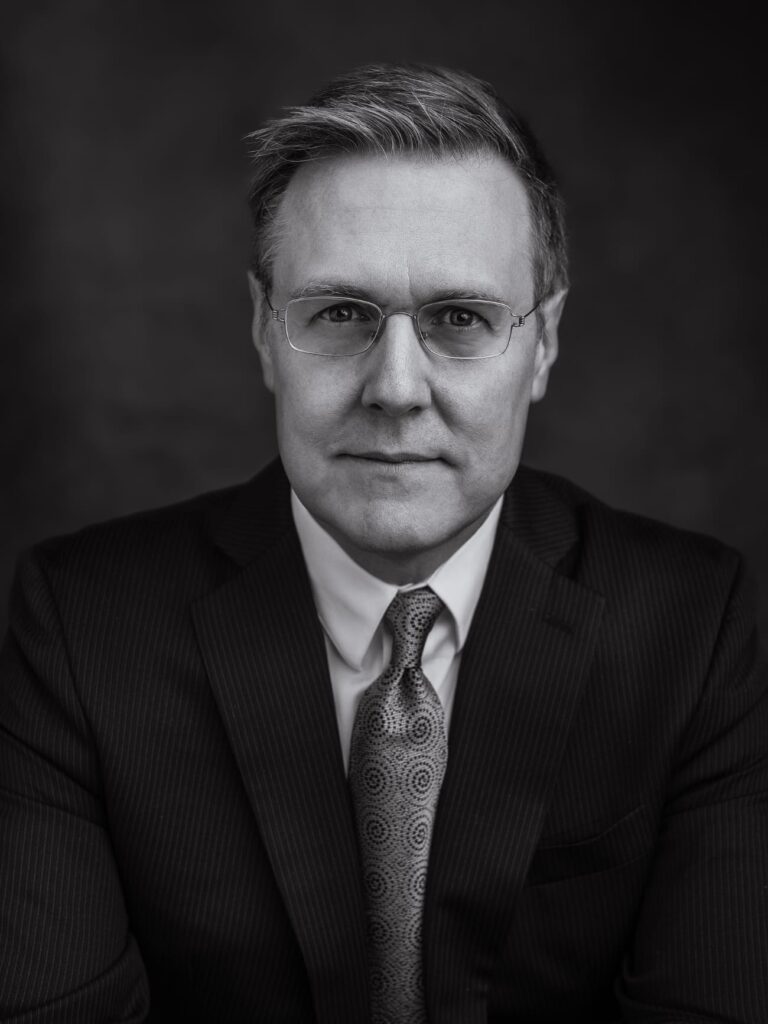
Hi, I’m an unknown, “regular Joe” writer who went all in for literature—sacrificing time, money, and years to write a great book. I chased my literary heroes, only to learn the hard way: fate must play a hand in your success.
“The world breaks everyone and afterward many are strong at the broken places.” – Ernest Hemingway
The odds of success in literature were slim. The odds that I would regret not trying were one hundred percent.
Hi, I’m Eugene. I’m here to share the painful lessons from my literary odyssey that I believe could benefit other writers, (and readers). My journey began with unbridled hope and ended with a sense of failure. There’s an obvious reason for feeling like a failure by the end. And yet, recently, I feel a sense of accomplishment as well. I recognize that my goals were too small. I judged success by metrics that were out of my control. It was a mistake. One’s view of success or failure should not lie with other people. I set out to write a literary book. I feel I succeeded.
You don’t make it easy on yourself by choosing to write literature. I admit I was drawn to its classical, challenging nature. The literary story is a “form without a formula.” Literature does not have a Point A to Point B trajectory. When do you know you’re done writing a literary novel? How are readers supposed to judge your story? Literature isn’t a mystery tale, a romance, nor a thriller with a secret plot to uncover. Literature might include these elements, and often does, and yet, it’s about something bigger.
Literature is the art of dramatizing regular life. And so, the great novels of history are held up as triumphs of the human condition. Great authors are seen as wise figures, expressing elements of the psychological and pastoral. Everyone has their favorite writers. Mine include Kafka, Austen, Dostoevsky, and Tolstoy. These authors did not follow a formula. They didn’t create one, either. You can’t write like Kafka any more than you can capture the wind.
History’s great writers are unalike in form. What they share is an ambition to tackle humanity as a subject. If there is anything approaching a formula to literary writing, that’s it. A writer seeks to capture a sense of humanity within a certain time and place. It’s an ethereal goal. When a writer has captured it, that writer is “done.”
I’m no literary great, just a mere mortal, and so I would not finish my literary story for many years. I was, however, fully bought in. I was a true believer in the nobility of literature, with its humanistic goal of uniting the world, inspiring people, and sparking new ways of seeing our old world. I was inspired enough to devote ten years to writing a novel. A certain indecision over what I wanted to say meant equal parts scribbling and tearing up my creation. Meanwhile, my pursuit became a strange novelty for the people I knew. Not many adults have a singular goal. As an aspiring author, I was living the life of an Olympic hopeful, with an unfailing sense of purpose, and a daily drive to “put in the hours” while others lived their lives as rational people.
No one sets out to write for ten years. The time adds up quickly. I was always “almost done.” As time went on, I upped the ante. I gave up nights, weekends, vacations, and, ultimately, a career. The industry I worked in was on its way out anyway. It was a good time to leave. Still, I gave up fun things like travel, hobbies, and, for a long time, marriage and family. I was “all in.” Whatever it takes.
I finished. Then, I started over. I finished again. Then, I started again. The book shrank from over 100,000 words to just over 70,000. After each rewrite, I would “break” my editor’s prior suggestions and line edits. Was I going in circles? My literary heroes grew fainter as inspiration.
Their examples of sacrifice became more useful. Kafka wrote with a sense of futility and didn’t become a legend until after his death. Jane Austen famously never married to keep writing as her primary focus. Dostoevsky wrote compulsively, even un-artfully at times, to force his remarkable stories into being. These writers showed that writing about life was as messy as real living. I kept writing. Then, quite uneventfully, I found my story’s goal.
Fate Hiccups
Name it and claim it. Build it and they will come. Speak it into existence. These are popular mantras of the artistic life. Because there are no guarantees for success, artistic people tell themselves their sacrifices will lead to somewhere positive. Artists can’t write up an iron-clad business plan for creative expression. You can’t take a poll. “Do you want a story about a man arrested for having done nothing wrong?” You would receive, at best, a shrug. But Franz Kafka’s novel The Trial proves this story to be invaluable, a modern parable that is part of our collective consciousness.
Artists negotiate with the fates because they must assume the risk with their livelihoods. They must self-finance their effort to show the world what they see in their heads. Then, they think, people might pay attention. And yet, the public’s tastes are fickle, and its attention finite. You don’t know how you will be received. Getting noticed requires artistic taste, but also serendipity, good luck; in other words, fate.
To admit that a heartfelt project can be rejected is self-defeating. But it happens, and it’s not the result of something having gone wrong. The system is working as intended. At the higest levels of human striving and achievement, fate is at play.
Fate is a foreign concept these days. When technology can move virtual mountains, self-determination seems easy. Fate is an old-school idea last found on the sports field. When a kicker misses the deciding kick, it’s seen as fate. The kicker has handed the other team a victory. One thinks, why did the kicker sign on for a job that could go so wrong? Fans believe the reality of providence in the big moments. The kicker follows his training. The ball appears to sail with a mind of its own.
As a regular Joe, I avoided asking life for too much, so as not to miss the kick. Then I set out to become an author, a difficult track toward success. Then technology entered the picture. Books were suddenly obsolete, too slow, a time-drain. “Just give me the bullet points.” As time went on, I found myself needing a big win. As a writer, I sought to get my book validated by being published traditionally. And yet, they were lottery-ticket odds by this point. I had followed the industry advice, had gone to graduate school, and had finished a manuscript, but a sobering realization was all I had to show for it. After two years of sending out query letters to junior agents looking for the next Harry Potter, I accepted reality. “I won’t get published.”
I had devoted my entire life to this do-or-die moment. Now the answer was a definitive, “No.” On paper, I had the qualifications. Who could I blame? Would it be a decline in book sales and active readers? Would it be an addictive rise in our technology use, or a lowering of educational standards that made English literature read like a foreign language? Could I blame the publishing industry for ignoring new talent? It wasn’t any of these things, not really. My lack of success was fate not showing up. It wasn’t meant to be.
I imagined what people were thinking. He missed the kick. Why did he sign on for a job that could go so wrong? I wondered it myself. Why did I choose to write? What was so inherently noble about literature? Was it worth basing one’s life on? Was it worth the compromises and sacrifices to fumble through the messy act of writing, only to be as unrewarded as when I began?
The kicker’s logic: falling short was a gut punch. Trying was worth it. Keep trying.
It was time to embrace the indie path
Annie Steiner
CEO, Greenprint
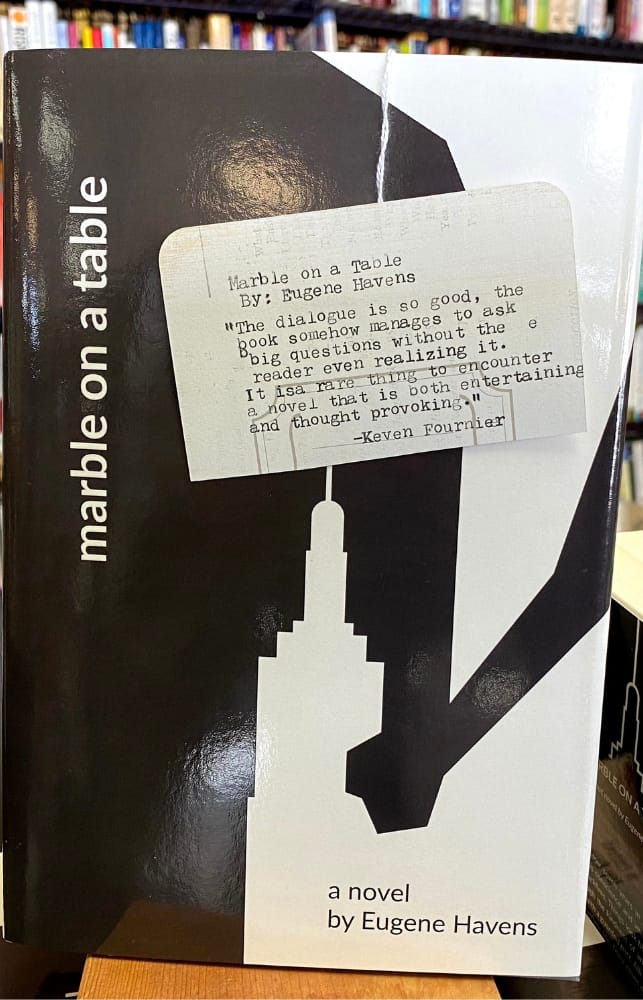
1. The book cover (above) is a first edition on display at a bookstore (with a reader review hang-tag).
Like many New York-educated writers, I was sleeping on indie publishing. It wasn’t a second-best option, nor Plan B. Indie publishing realized my book’s full potential. I chose the cover designs, penned the book’s blurb, and retained ownership over the copyright of my work.
2. The book cover (below) is current for the novel.
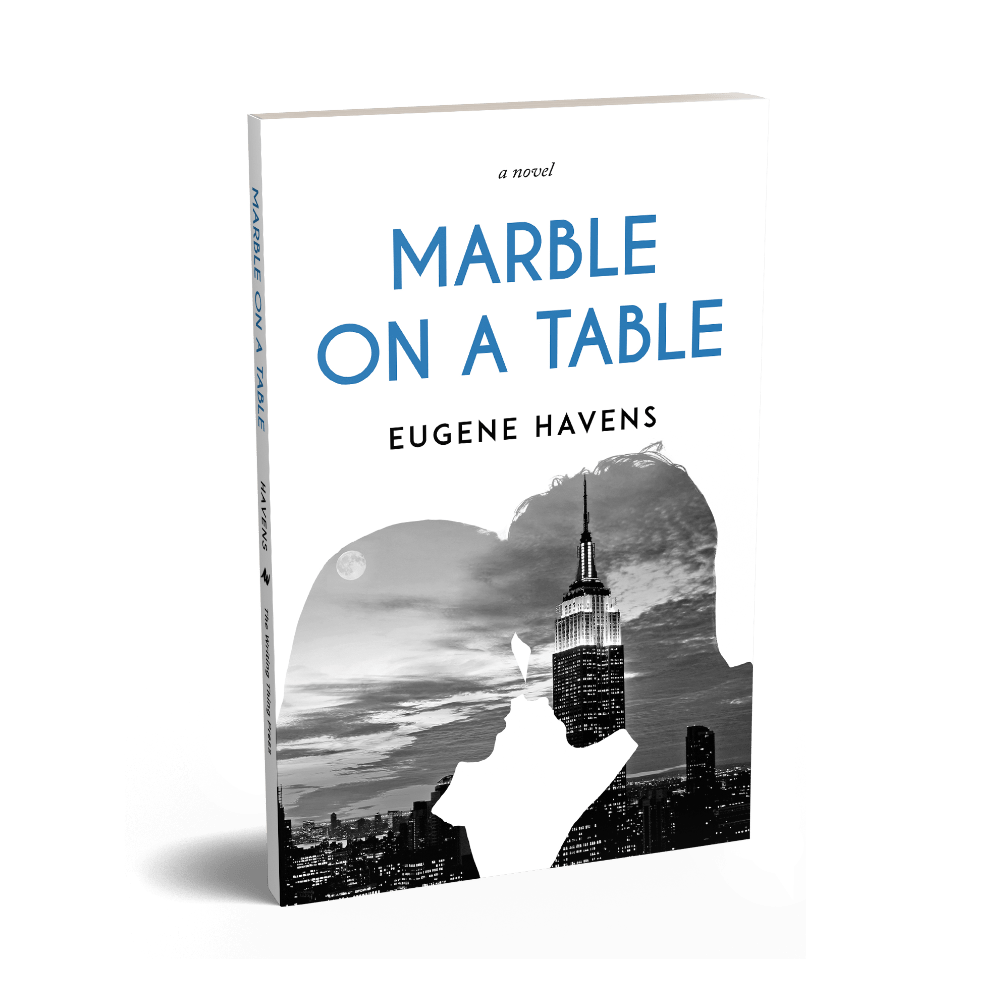
Continuing the literary tradition.
I ceded the conversation to the publishing crowd. Now I’m here to share what I know. Writing is getting worse, not better.
We’ve all watched the written word lose its special meaning. Writing has gone from the heights of creativity to algorithm slop. Writing is now transactional. The internet has done a great job of serving up writing instantly, but its relentless algorithms have hastened serious writing’s decline.
The answer from publishers is to mimic the internet with transactional non-fiction. The thought leadership that New York showed in the literary boom of the 1960s and 70s is gone. We’re on our own.
Art should be done more than talked about. And yet, finding the confidence to engage with writing in a post-reader culture takes a community. It can feel like speaking into a void, but even a few like-minded souls can inspire us to try.
Writing literature is a rebellious act against the commoditization trend. Literature lacks easy categorization. It champions the uniqueness of everyday life in a specific time and place. Literature is a reset. It makes us think in a pre-internet way. I am here to encourage more writers toward it.
Let’s Connect
View the books
Modern literature in a classic vein.
- General admission and member discounts for one adult
- One free ticket per special exhibition
- Two single-use guest passes per year
Use the service
A friendly review of your WIP.
- General admission and member discounts for two adults
- Four free tickets per special exhibition
- Four single-use guest passes per year
Reads the posts
Writing craft, arts, and culture.
- General admission and member discounts for two adults
- Five free tickets per special exhibition
- Six single-use guest passes per year

Eugene Havens
Eugene Havens holds an MFA in fiction writing from The New School and a BA in journalism from the University of Oregon. He has written for media agencies in New York, Los Angeles, and San Francisco and has taught as an adjunct professor. He lives in the Pacific Northwest.